
Hybrid Fraud
When scams, malware & account takeover collide
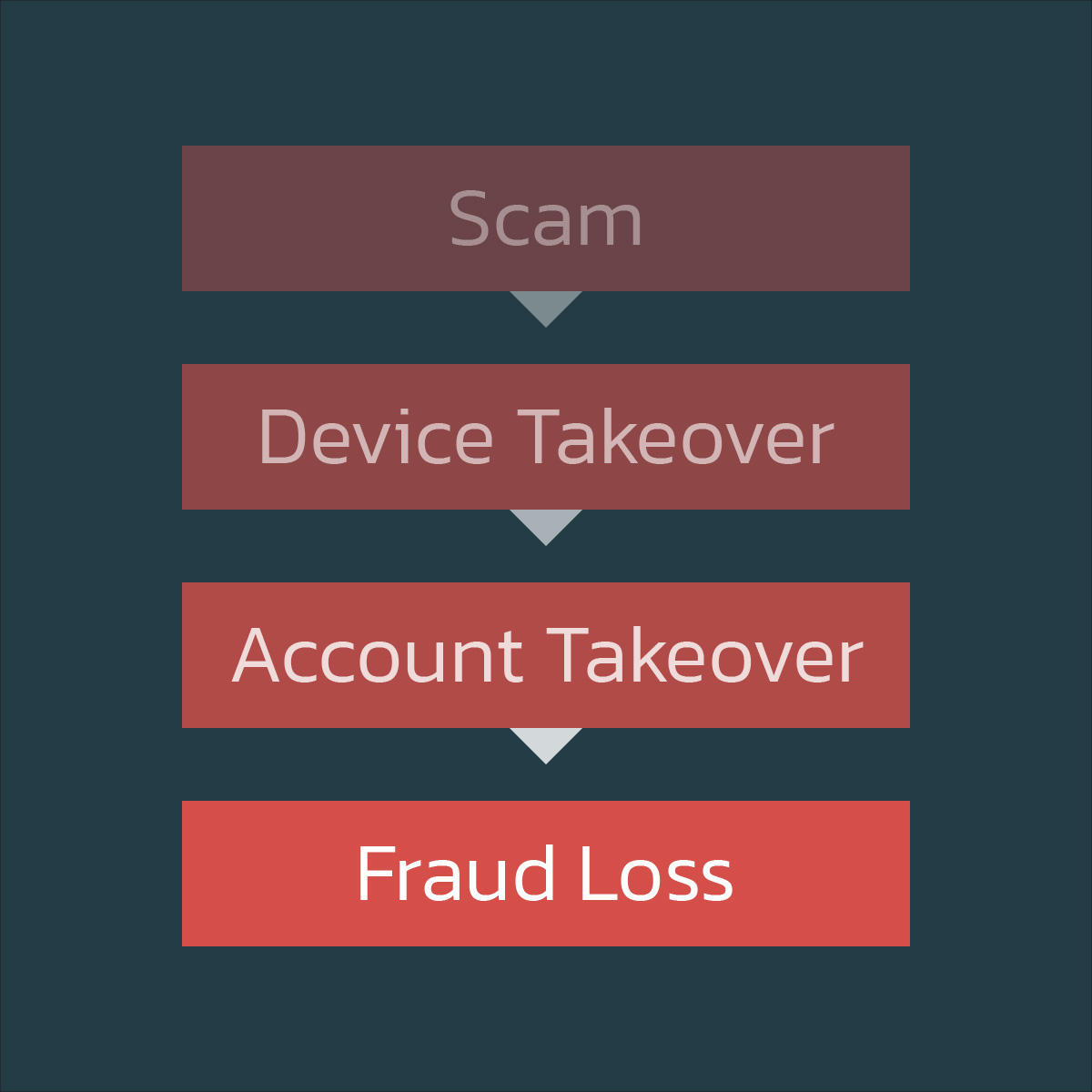
Modern fraud rarely follows a single attack path. Criminals increasingly combine social engineering, mobile malware, remote access tools, account takeover techniques, and device compromise into a single attack chain.
A scam may begin with a phone call, continue with the installation of a remote access tool, lead to device compromise, and end with fraudulent transactions from a seemingly legitimate customer session.
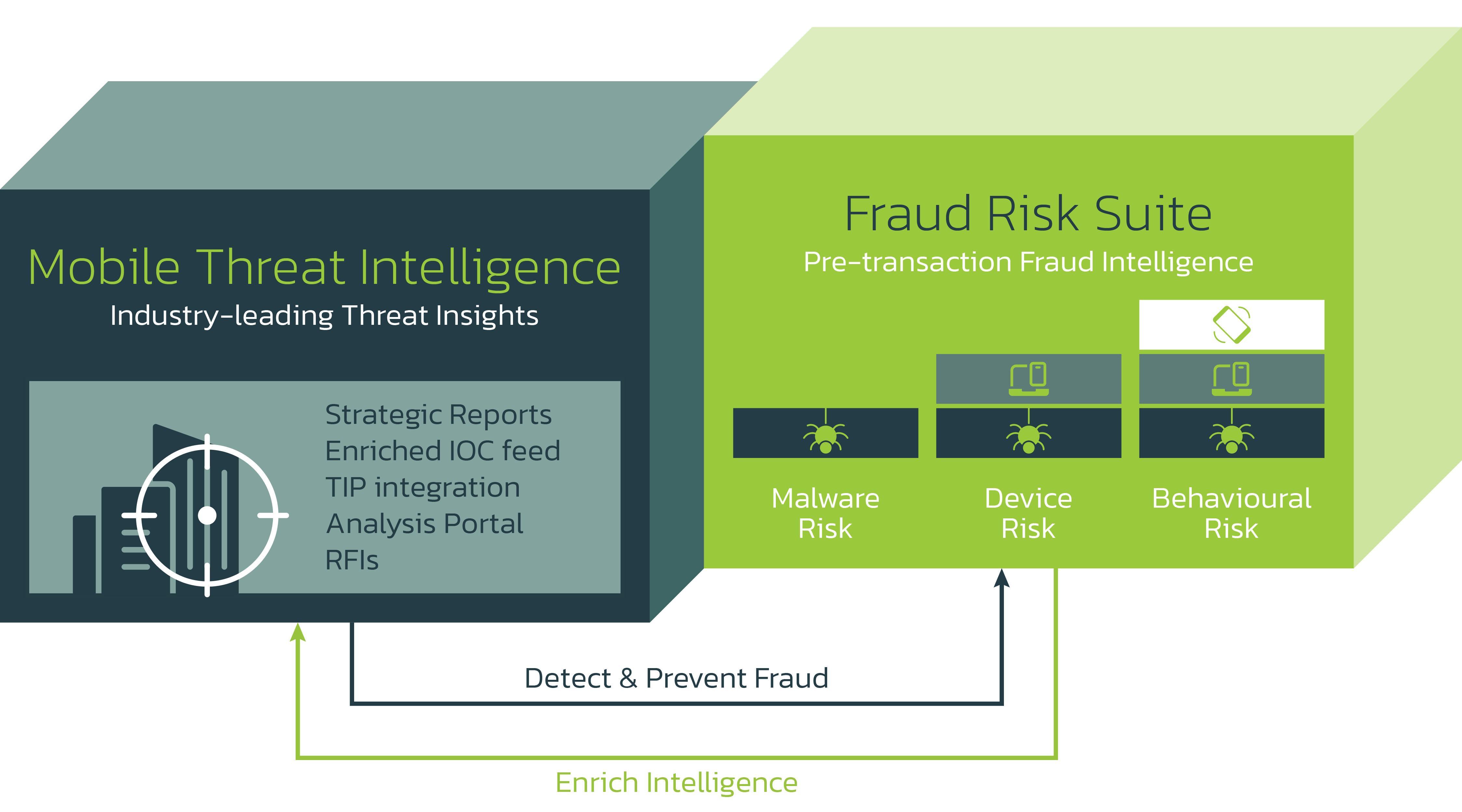
These hybrid attacks exploit multiple weaknesses simultaneously, creating blind spots for fraud systems that focus on only one layer of risk. ThreatFabric's Fraud Risk Suite is designed specifically to detect these multi-stage attacks by combining Behaviour Risk, Device Risk, and Mobile Threat Intelligence into a unified fraud detection strategy.
The hidden signals behind hybrid fraud
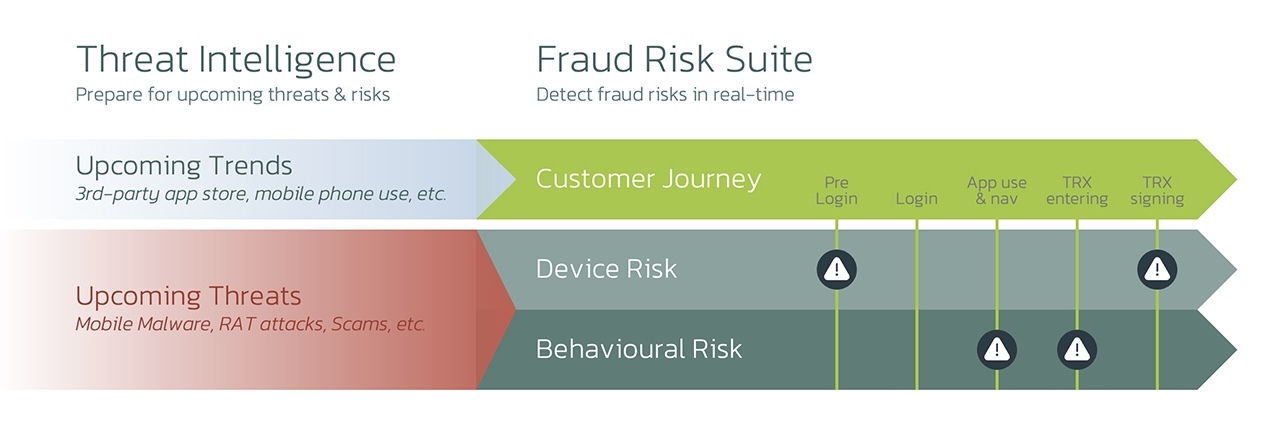
Hybrid attacks generate signals across multiple layers of the customer journey:
-
Signs of manipulation, coaching, or duress
-
Mobile malware or remote access tool activity
-
Device compromise indicators
-
Behavioural deviations from the customer's normal profile
-
Account takeover indicators
-
Suspicious transaction behaviour
-
Known fraud infrastructure or malware exposure
Individually, these signals may appear low risk.
Together, they often reveal an ongoing attack.
How ThreatFabric detects hybrid fraud
ThreatFabric was built on the principle that effective fraud detection requires understanding the full context of an attack.
Behavioural Analytics
Understanding the customer and the fraudster
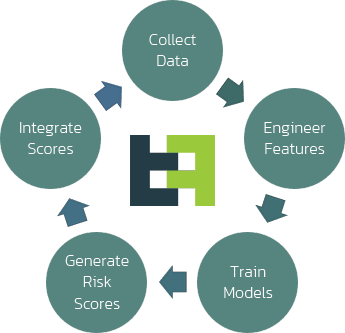
The Behavioural Risk module continuously evaluates whether customer behaviour aligns with their established profile. Identity Models learn how individual customers typically behave, while Fraudster Models identify patterns commonly associated with scams, account takeover, and fraud activity.
Device Risk
Adding critical context
Device Risk identifies technical indicators that may suggest compromise, including:
- Banking malware
- Remote access tools
- Rooted or jailbroken devices
- Emulator usage
- Device manipulation
These signals provide valuable context when unusual behaviour is observed.
Mobile Threat Intelligence
You can't fight what you can't see
ThreatFabric's Mobile Threat Intelligence tracks malware families, scam infrastructure, fraud tooling, and emerging attack techniques used by organised fraud groups worldwide. This intelligence helps identify known threats before they can be successfully weaponised against customers.
Why ThreatFabric is effective against Hybrid Fraud
Focus on the complete fraud journey
Most fraud solutions focus on a single problem. ThreatFabric focuses on the complete fraud chain. Our approach helps organisations:
- Detect scams and social engineering attacks
- Identify mobile malware and remote access tools
- Detect account takeover attempts
- Correlate behavioural and device-risk signals
- Uncover sophisticated multi-stage attack chains
- Reduce fraud losses while minimising customer friction
- Protect customers across mobile and web channels
By combining behavioural analytics, device intelligence, and threat intelligence, ThreatFabric helps financial institutions stop attacks before they progress from manipulation to compromise to financial loss.
Traditional fraud systems see isolated events.
ThreatFabric sees the entire attack chain.
That visibility enables earlier intervention, stronger protection, and better fraud outcomes.
Fraud Prevention Built On
Actionable Threat Intelligence
Learn how ThreatFabric's Fraud Risk Suite (FRS) can protect your organisation from fraud.